
Padavali mitawali hero mitawali

Mitawali & Padavali: Parliament Temple & Mini Khajuraho

Updated on March 27, 2026

Contents

    How We Did It: Gwalior to Mitawali to Bateshwar to Garhi Padavali

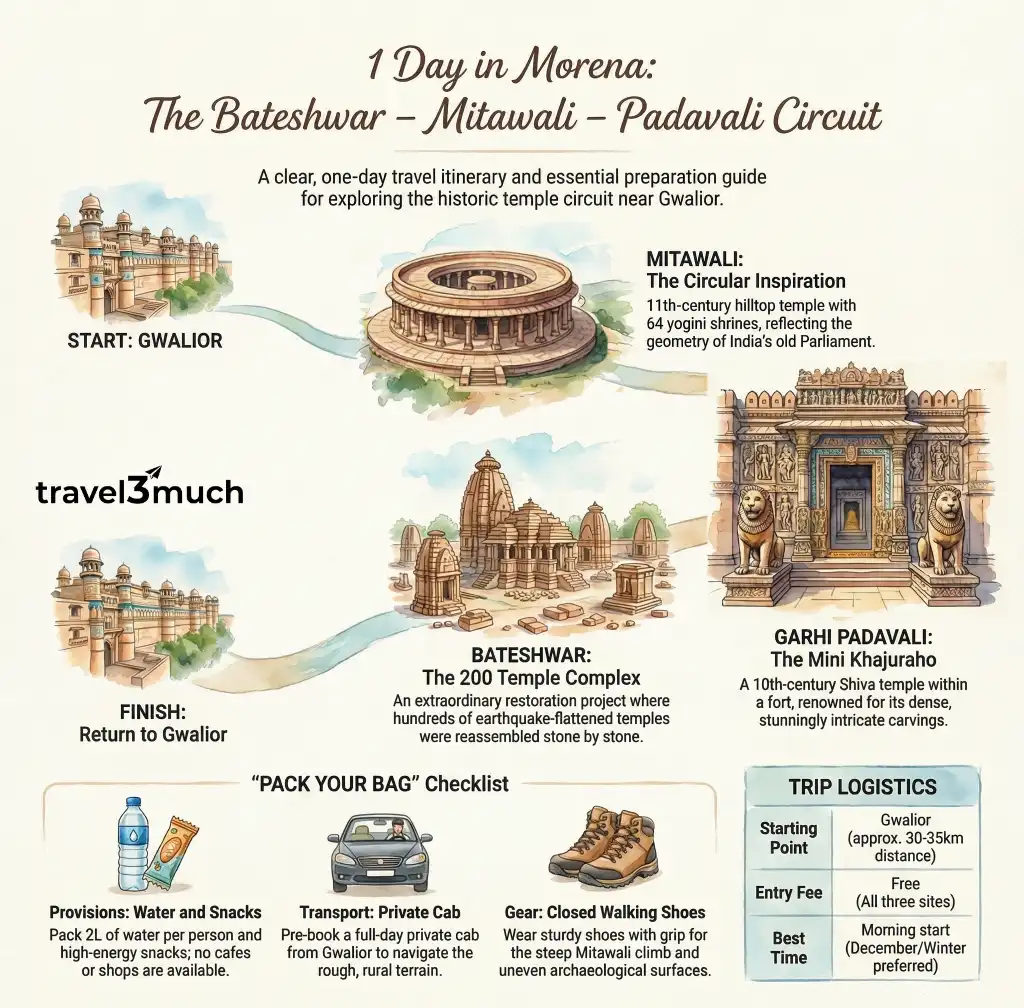
    We had hired a private cab from Gwalior for the day and set out in the morning in December, when the weather in the Chambal region was cool, clear, and easy. We planned our route such that it was first to Mitawali, then to Bateshwar, and finally to Garhi Padavali before returning to Gwalior in the evening. Food is not available very easily at any of these sites, so we had also planned our stops for food through the day before heading out.

    All three sites are free to enter. All three are relatively uncrowded. And together they form one of the most rewarding full days of heritage travel we have had anywhere in India.

    Infographic showing the 1-day travel itinerary for Mitawali, Padavali, and Bateshwar temples from Gwalior

    Mitawali: The Circular Temple on the Hill

    planplanettmGetting There and the Climb

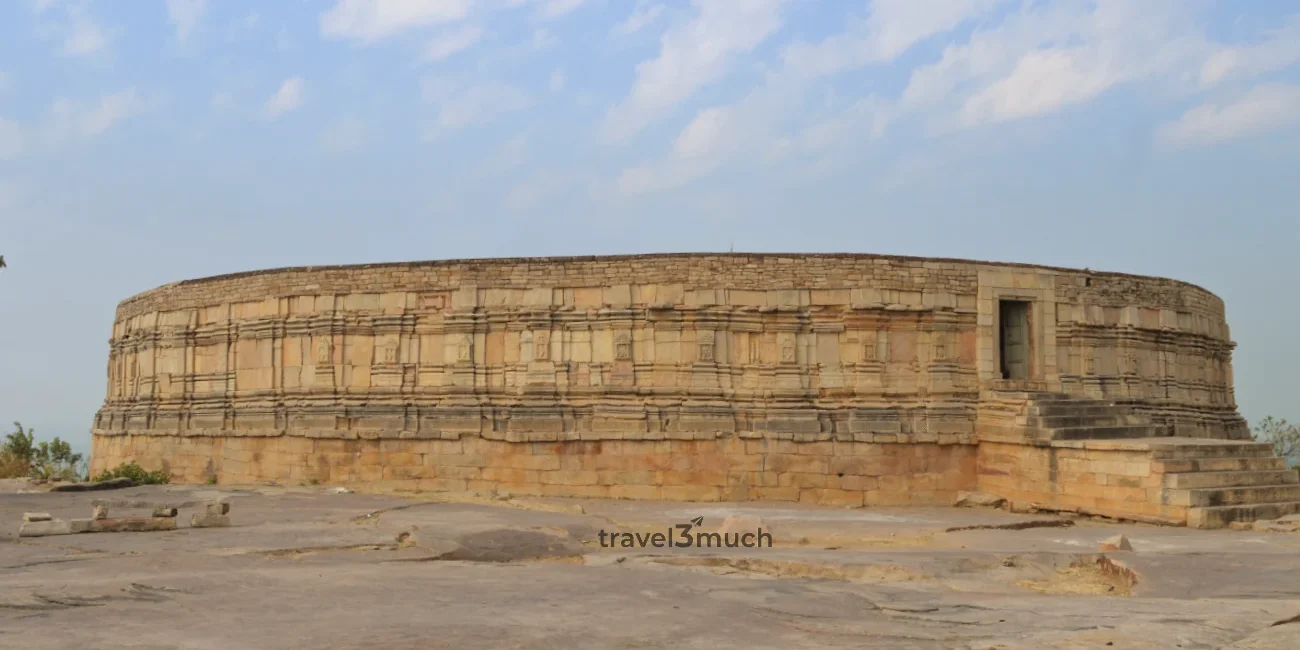
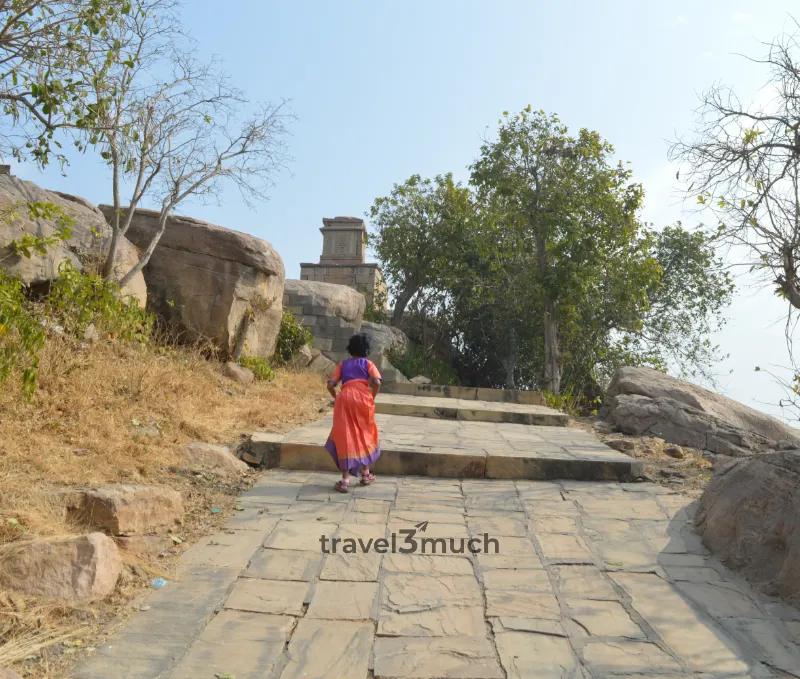
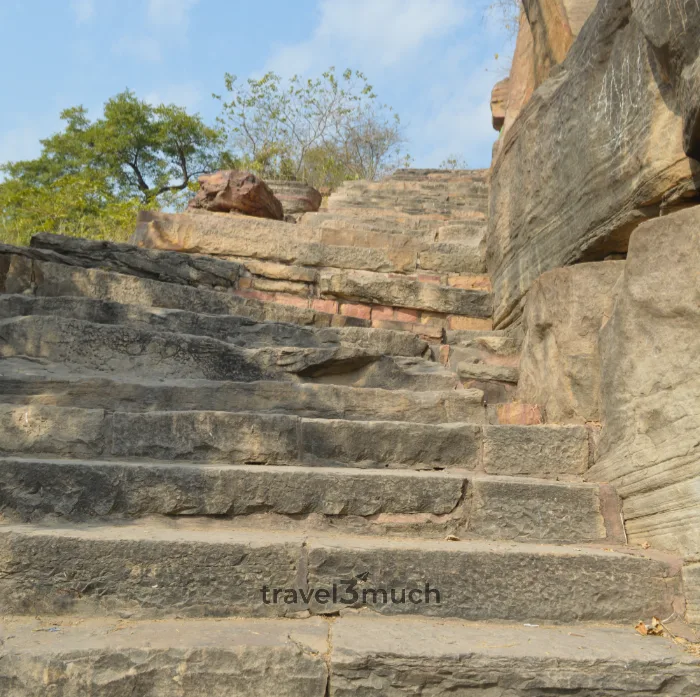
    Mitawali is a small village in Morena district, about 30 km from Gwalior. The temple sits atop a small but steep hill and requires a short trek to reach. It is not wheelchair accessible, but manageable for most family members. We climbed in the December morning cool, which made the ascent considerably easier than it would be in summer. The trek up gave us sweeping views of the village and the flat Chambal plain below.
    The Temple Itself

    Mitavali or Mitaoli is a village in Madhya Pradesh’s Morena district. The village has a very unique temple dedicated to Lord Shiva. King Devapala of the Kachchhapaghata dynasty built the temple in the 11th century CE.

    The presiding deity is called Ekttarso Mahadev. 

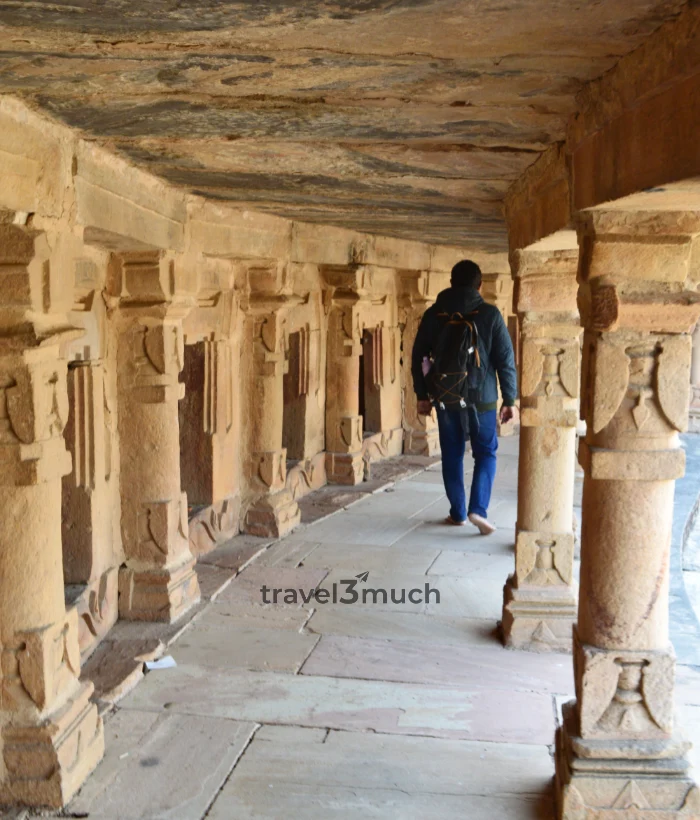
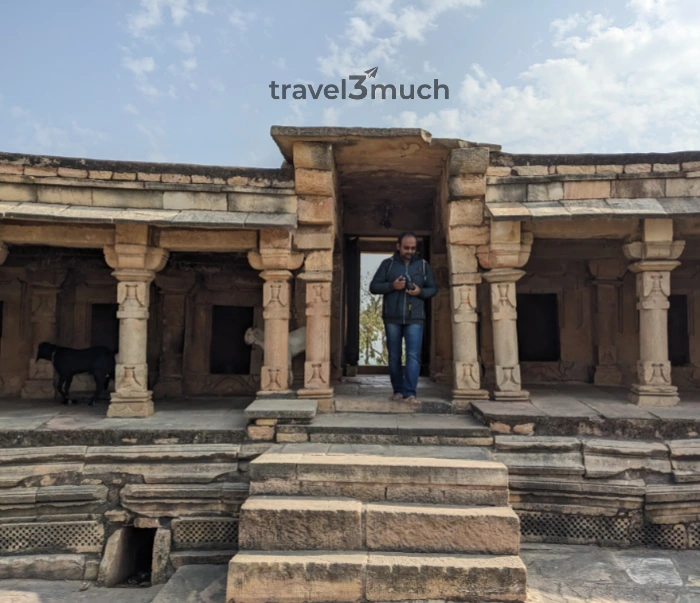
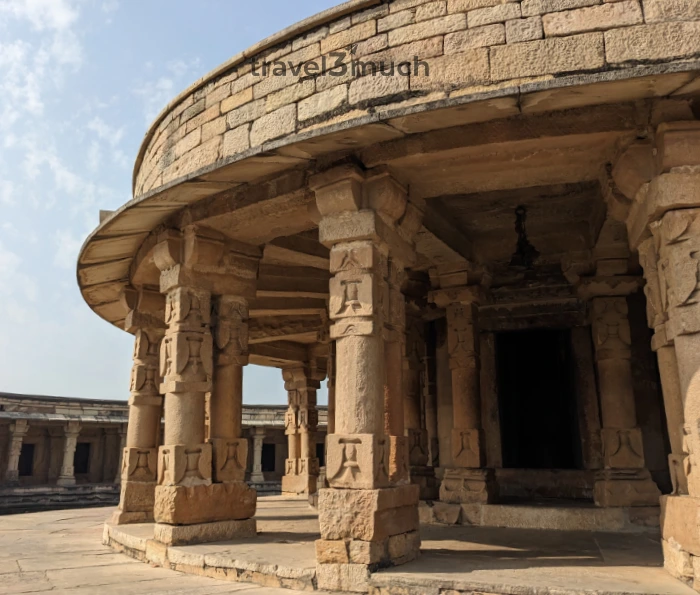
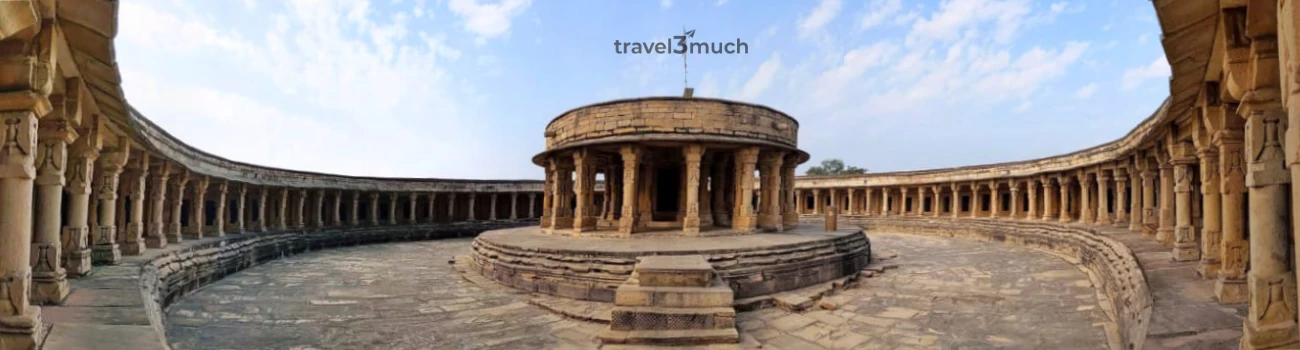
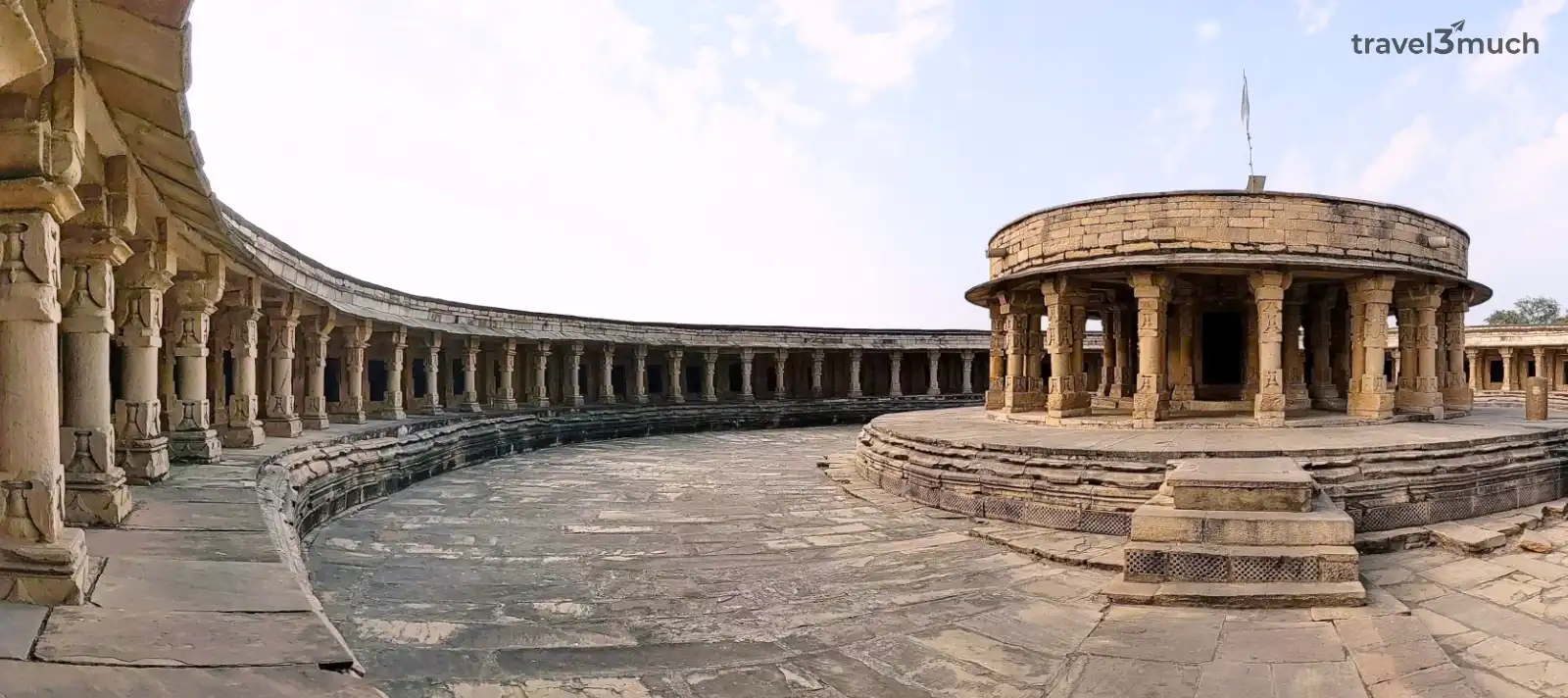
    The temple has 65 shrines, 64 of them set in individual cells arranged in a circular pattern around the central shrine. Shivalingas were present in some of these cells. The central main shrine was built on a raised plinth, with the linga form of Shiva for worship. Between the outer and inner circles, the temple was completely open to the skies.

    This is generally the plan of Yogini temples, such as the one we visited on our trip to Bhubaneswar.

    Why It Is Open to the Sky

    The hypaethral design where the temple is open to the sky, with no roof over the central courtyard is not accidental. Yogini temples are built this way by design. The Yoginis, powerful female deities associated with Shakti and tantric practice, were believed capable of flight. A roofed enclosure would trap them. The open sky allows them to arrive and depart freely.

    The circular courtyard also functions as a solar observatory: the 65 chambers are positioned so sunlight falls differently on them at different times of day and different points of the year. We were delighted to find the temple almost completely to ourselves on a December morning — just us, the silence of the hilltop, and a few unexpected visitors.

    Mitawali ekktarso mahadev temple structure

    The Goats, the Vultures, and Our Child

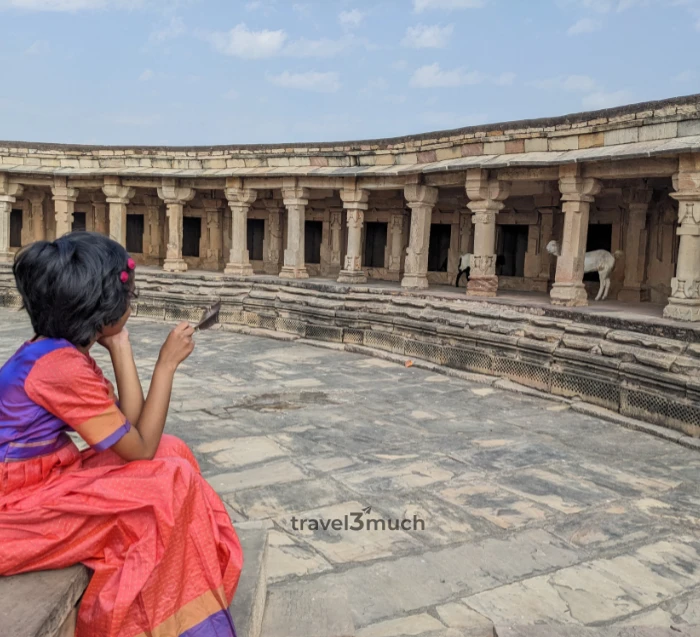
    We saw a couple of Egyptian vultures wheeling high overhead effortlessly. A few goats foraged for grass in the temple. They decided their chances of finding food were better outside and left after a while.

    Our child was transfixed by both. The goats wandering through a 1,000-year-old Shiva temple, completely unbothered, were an immediate hit. The Egyptian vultures circling high above the open courtyard with nothing between us and the sky were one of those moments that made the hypaethral design feel less like an architectural choice and more like a feature of nature the temple had always intended to frame.

    The Parliament Question

    We did hear about the Indian Parliament finding architectural inspiration from the design of Yogini temples, but could find no evidence to support this interesting theory. Let us know in the comments if you have heard about this and if you’ve come across any verified sources.

    For what it is worth: the parallel is visually striking. The old Parliament House of India is a circular building with a central chamber surrounded by peripheral rooms arranged in a ring. Mitawali has a circular outer wall with 64 chambers surrounding a central shrine. Both use the geometry of the circle to create a sense of enclosure. Whether architects Lutyens and Baker referenced Mitawali in their design has never been confirmed in any documented source which is precisely why we find the question interesting rather than settled.

    Mitawali parliament temple

    Garhi Padavali: The Fort Hiding Astonishing Temple Interior

    The Last Stop of the Day

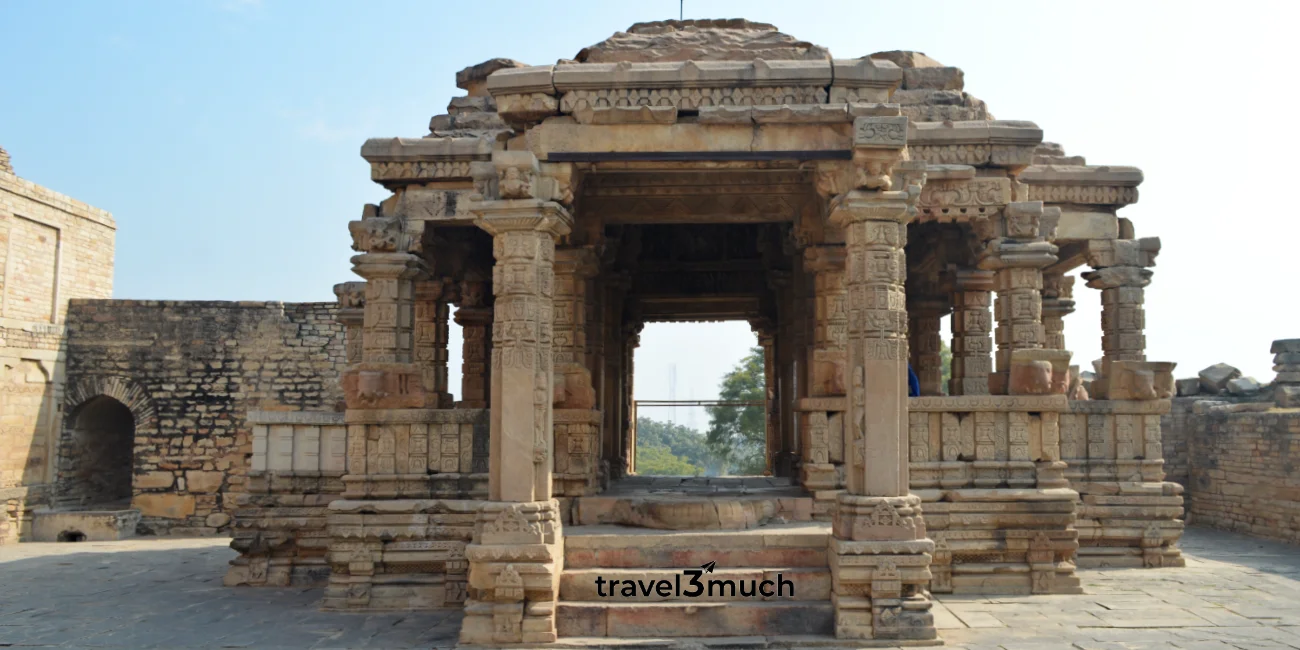
    We went to Garhi Padavali as the last stop for the day after visiting Bateshwar. This was the most unexpectedly stunning place. Even when entering the fort like entrance, we did not expect to see such intricate carvings.

    About Garhi Padavali

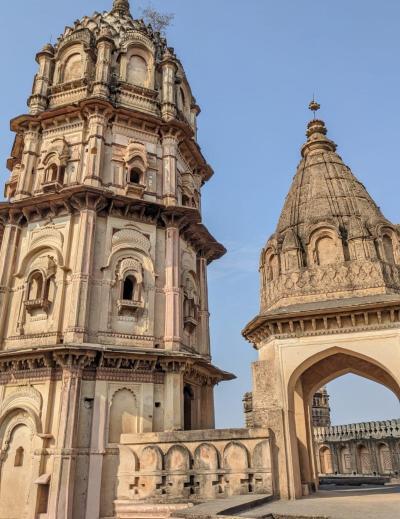
    Garhi Padavali is a 10th-century Shiva temple enclosed within a 19th-century fort, 35 km north of Gwalior in Morena district. The fort was built by the Jat Ranas of Gohad around an already 900-year-old temple. Of the original complex, the sanctum, vestibule and the hall. only the entrance hall (mukhamandapa) survives. However, what survives is extraordinary. Which is why, when we entered, we did not realize the artistic brilliance that was stored inside. 

    Garhi Padavali temple mitawali

    The Approach Path

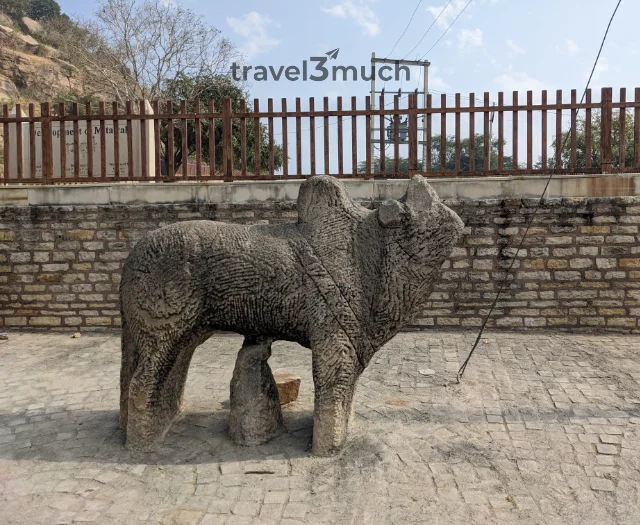
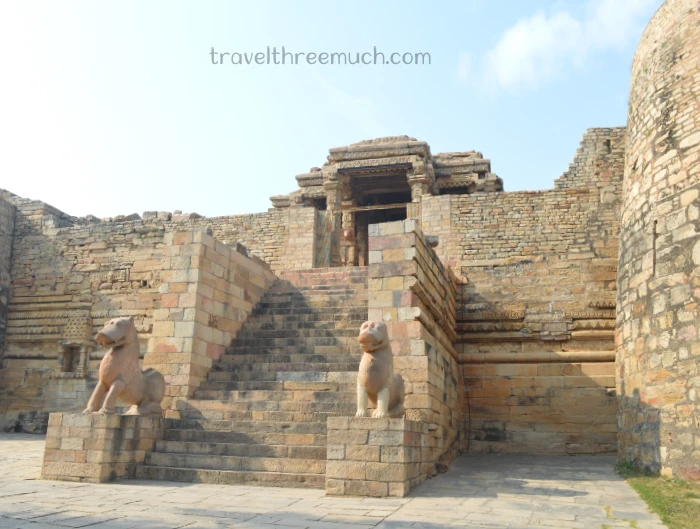
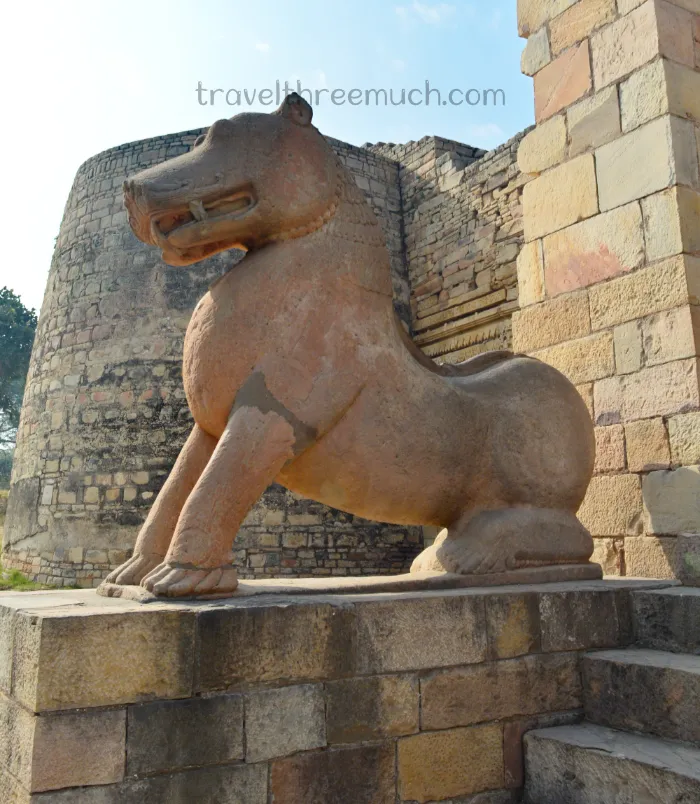
    The temple, built on a massive elevated platform, gave us an impression of a citadel. Two lion statues on either side guarded the flight of stairs leading up to the entrance. The sparse carvings on a few layers of the elevated plinth belied the grandeur of the entrance hall.

    The lions are replicas and the originals were removed to the Gurjari Mahal Museum inside Gwalior Fort. That understatement in the plinth is deliberate: the fort exterior gives almost nothing away, which makes what waits at the top of those stairs so completely disarming.

    Inside the Mukhamandapa

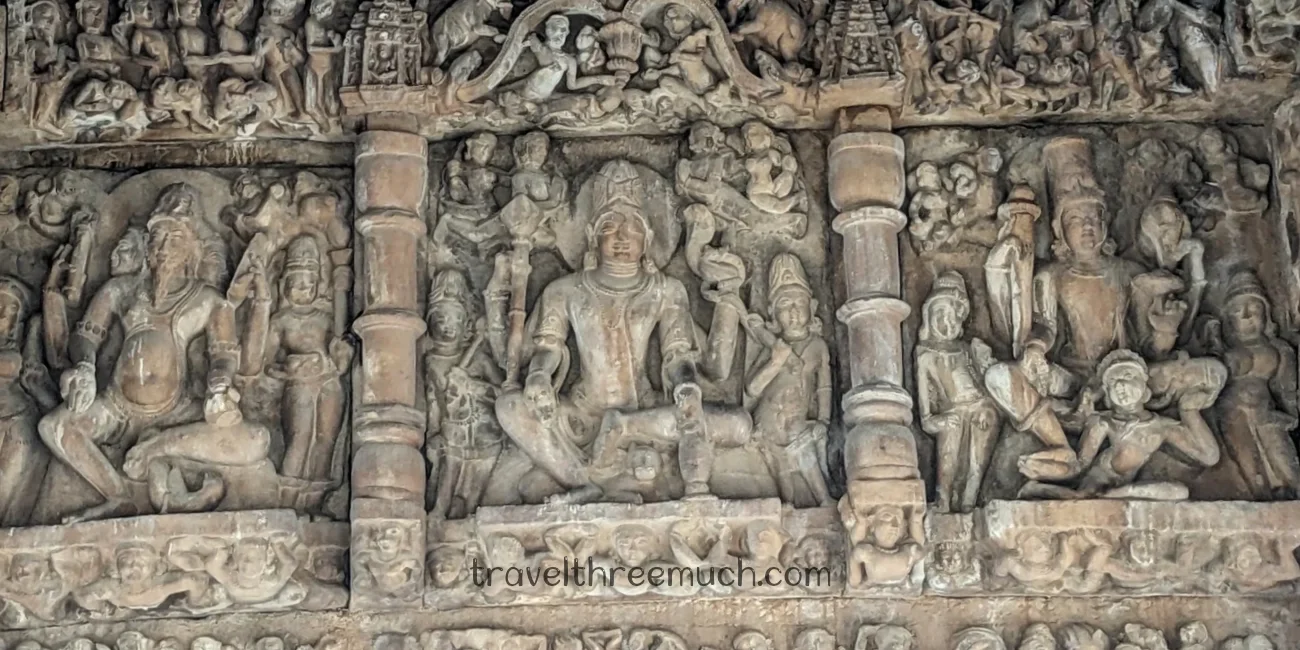
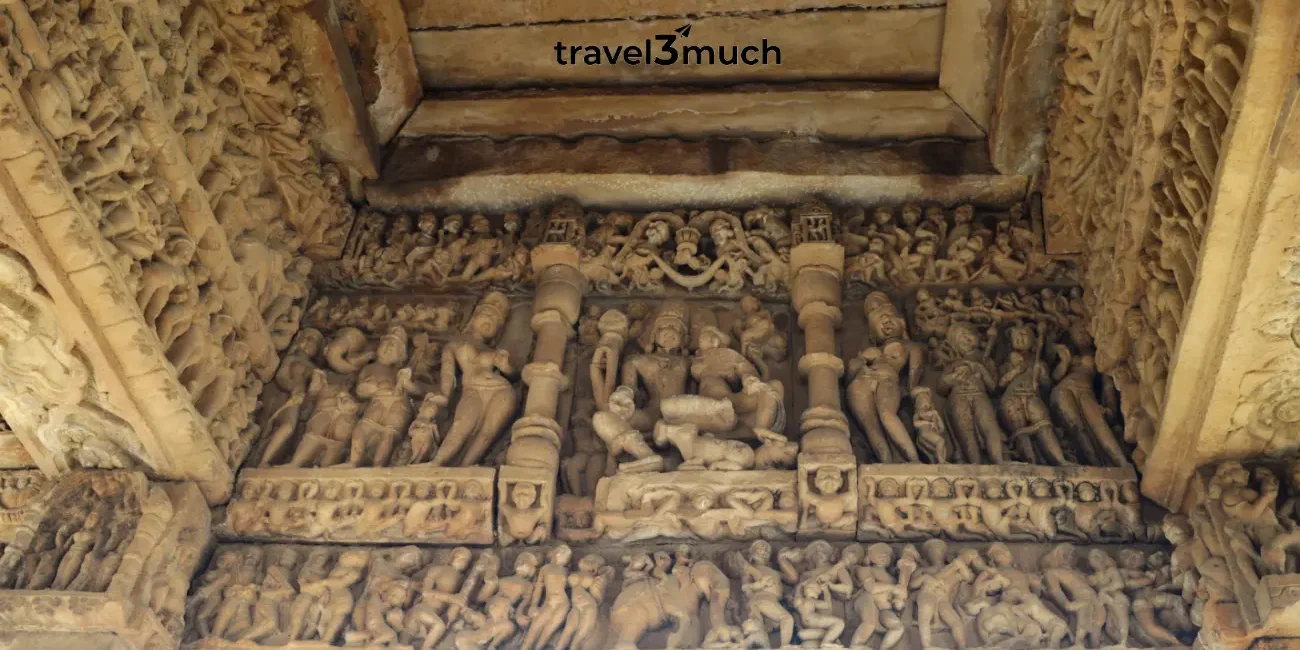
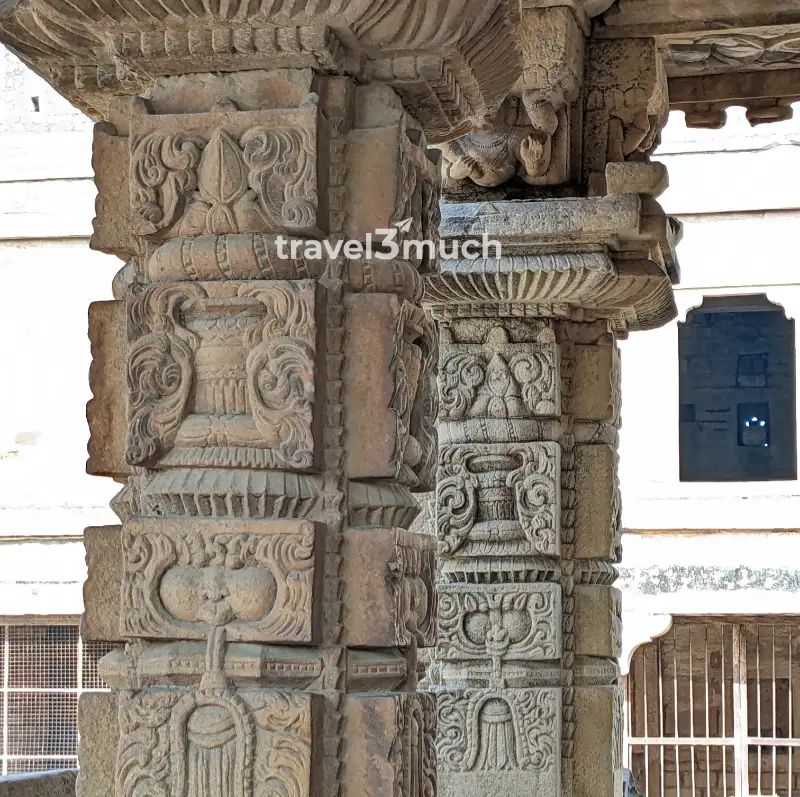
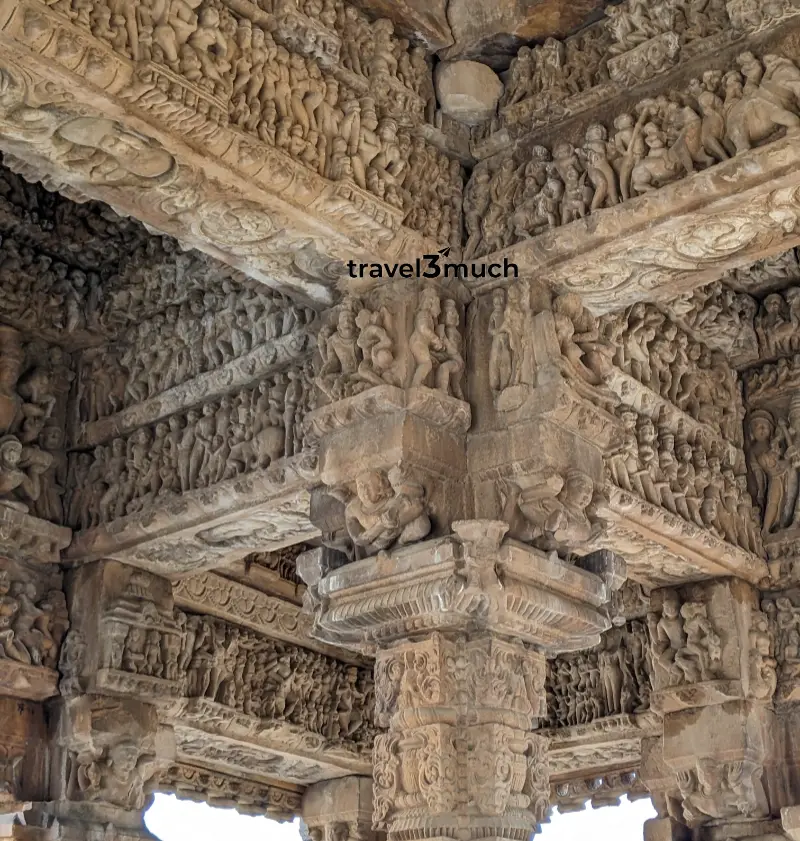
    We were stunned by the walls and ceiling of the entrance hall. Not a single surface was left uncarved. A profusion of characters from the Hindu pantheon – the principal trinity of Brahma, the creator, Vishnu, the protector, and Shiva, the destroyer. Chamunda, the fierce form of Parvati with her ghoulish minions, the ten incarnations of Vishnu, and goddesses are also featured on the various panels. Sheer brilliance. 

    The Four Panels

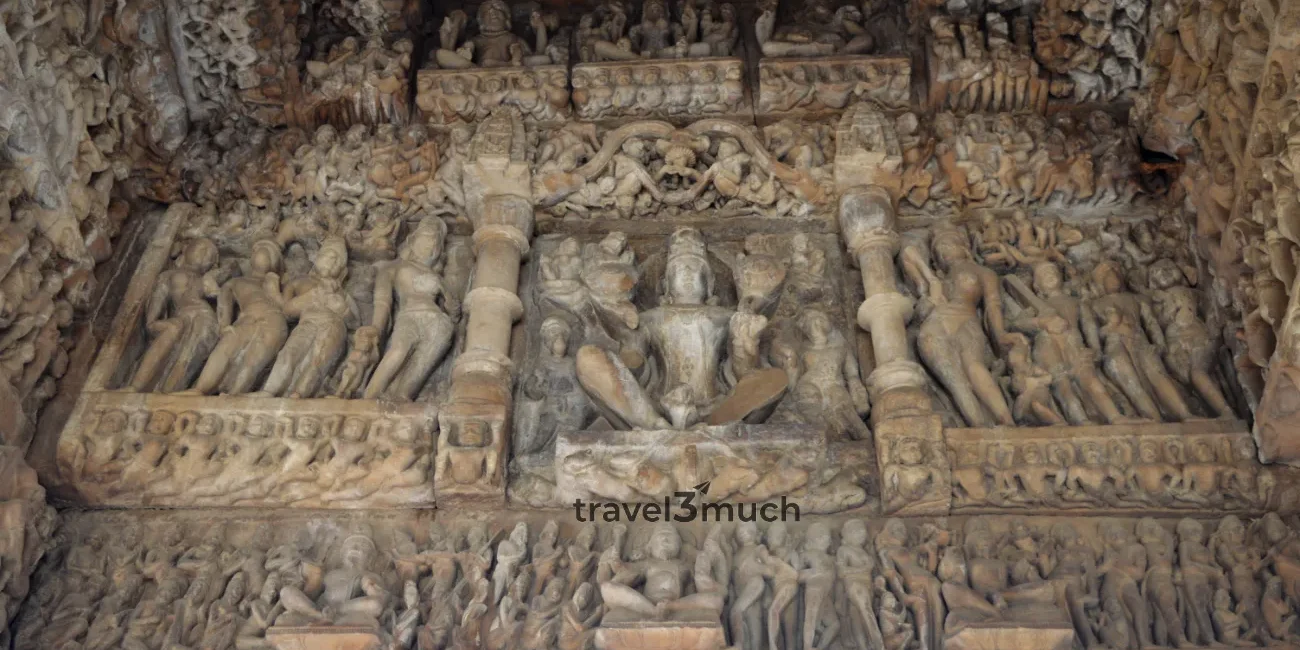
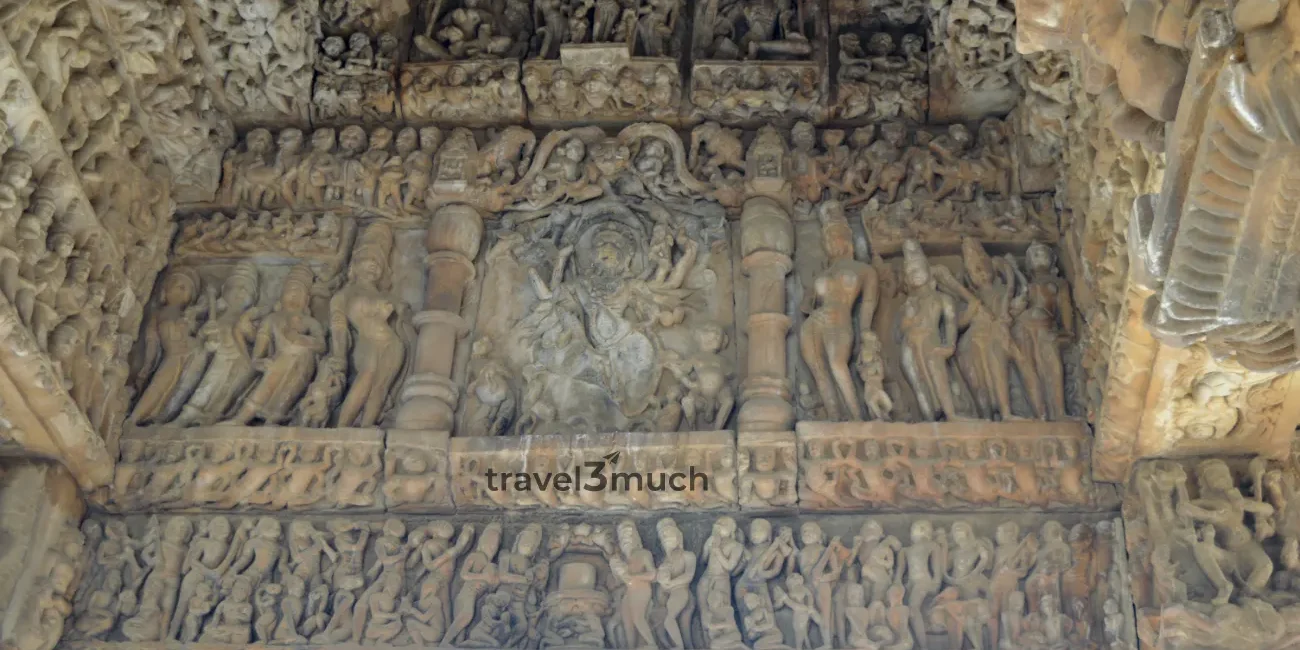
    The carvings are organised on the four cardinal walls. Stand in the centre and turn to each in sequence:

    North panel: The Trimurti with their consorts; below them, the celebrations at Nandagaon following the birth of Krishna.

    Garhi Padavali trimurti

    South panel: Shiva with Parvati and Nandi; below, the killing of Abhimanyu from the Mahabharata.

    Garhi Padavali

    West panel: Surya on his seven-horse chariot, the direction of the setting sun given its presiding deity.

    Garhi Padavali panel

    East panel: Goddess Chamunda at the centre; below, Rama’s army worshipping a Shiva linga before the War of Lanka.

    Garhi Padavali chamunda mitawali

    Look up at the ceiling beams: the Samudra Manthan, Shiva dancing, the Dashavatara in sequence, apsaras in celestial dance.

    There are also erotic carvings here carved inside the temple rather than on the exterior, which distinguishes Padavali from Khajuraho’s approach.

    What’s Lost and What Survives

    The temple structure originally consisted of a sanctum and a hall, or a mandapa. None of these has survived to the present day. It’s possible that the same reasons that flattened the Bateshwar complex also desolated the Garhi Padhavali temple.

    We were left in amazement that if this was the level of artistic endeavour displayed on the entrance, the temple complex must have been a marvel of art and architecture! Alas, nothing remains of what must’ve been a magnificent sight to behold.

    Just a tiny side note

    There were many school children who had come for an excursion and it was really interesting to see the wonderment on their faces. So happy to know that children of this region grow up with direct access to 1,000-year-old art that most Indians have never heard of.

    There is something quietly moving about that.

    Tips for Family Travellers

    • Start from Gwalior in the morning. We left early and were back by evening comfortably. The December weather made the day very pleasant, but in summer an early start is critical for the outdoor sites, especially the Mitawali climb.
    • Carry all your food and water for the day. There is nothing available at any of the three sites. We packed snacks and enough water before leaving Gwalior and were glad we did.
    • A private cab is the only practical option. The roads, particularly to Bateshwar, are rough. Negotiate a full-day rate from Gwalior before you set out and agree on the route in advance.
    • The Mitawali climb is manageable but steep. Comfortable closed shoes with grip are essential, particularly for children. The December cool made it easy for us, but in warmer months start the climb as early as possible.
    • The lion statues at Garhi Padavali are an immediate hit with children. Let them spend a moment there before heading up the stairs as it builds anticipation for what is above.
    • The carved fragments along the path from the Garhi Padavali parking lot are worth slowing down for. 
    • Entry to all three sites is free.

    What Other Travelers Ask

    Yes, comfortably. We did exactly this on a December day, starting from Gwalior in the morning and returning by evening. Allow 45-60 minutes at Mitawali, 2 hours at Bateshwar and about an hour at at Garhi Padavali.

    No. All three are free to enter. No parking fee either.

    The architectural parallel is striking both are circular structures with a central chamber surrounded by peripheral rooms. However there is no documented evidence that architects Lutyens and Baker referenced Mitawali in their design. We looked for verified sources and could not find any. We have asked our readers in the comments if anyone has found confirmed documentation. It is a compelling comparison, but treat it as an interesting parallel rather than an established fact.

    The climb is short and not to steep but the steps are uneven in places. Manageable for children who walk confidently. We would be cautious with toddlers who are not yet steady on their feet. Closed shoes with grip are essential. In December the cool air made the climb easy for us.

    Yes the site is known by multiple spellings including Garhi Padavali, Garhi Padhavali and Padawali. All refer to the same location. The ‘Garhi’ prefix refers to the fort that encloses the temple.

    Prasanna is the Primary Writer and Technical Expert behind the posts. He is responsible for the detailed facts, historical context, and logistical breakdowns. He has a deep love for mountains, history, nature, and is the family's expert packer.
    Leave a Reply

    Your email address will not be published. Required fields are marked *