
Rao Jodha itinerary featured

Jodhpur’s Volcanic Secret: Rao Jodha Park

Updated on March 15, 2026

Contents

    Rao Jodha glimpse

    A Volcanic Journey: Exploring Rao Jodha Desert Rock Park

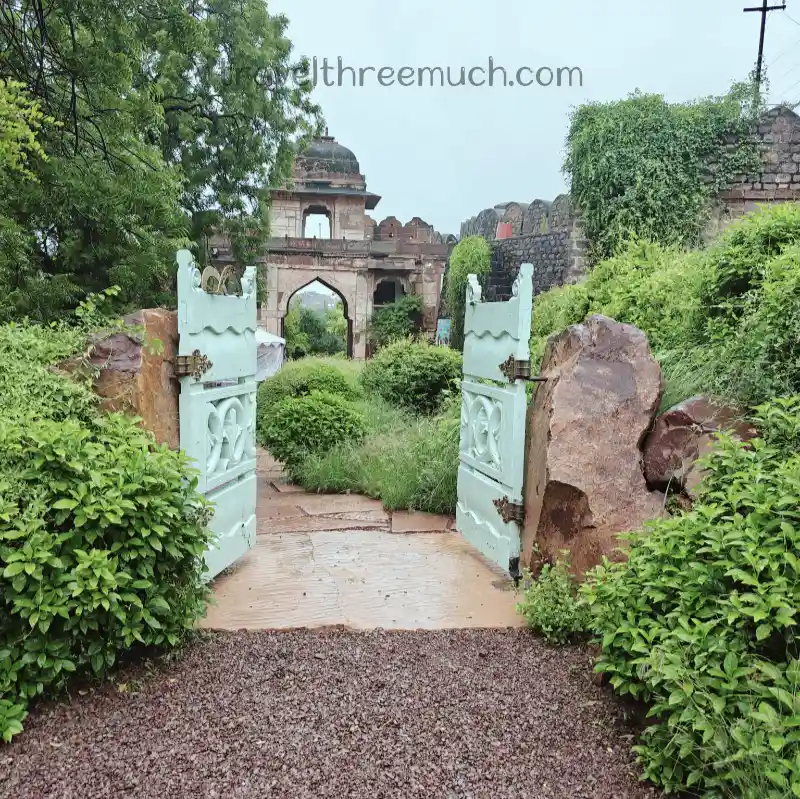
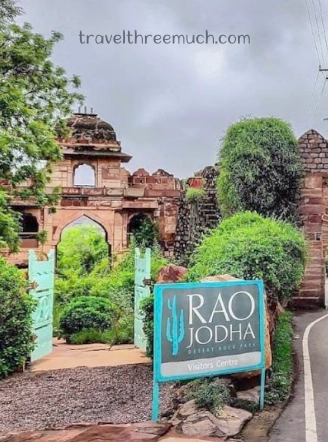
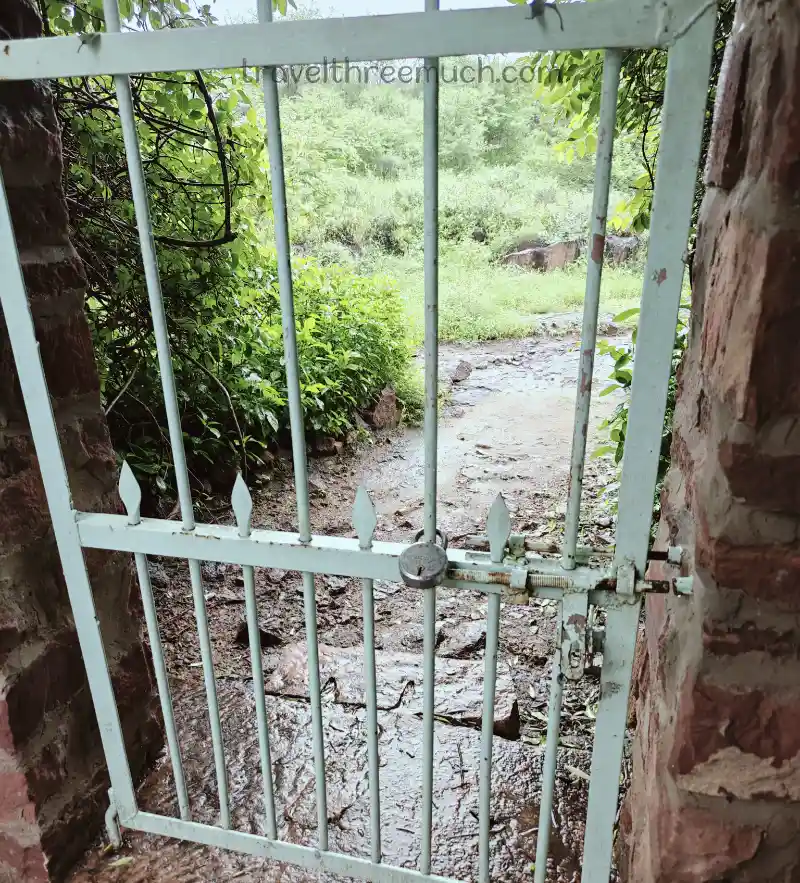
    A pair of pale turquoise (locally known as Firoza) gates lead us to the Visitor Centre at the Rao Jodha desert park in Jodhpur. 

    The gates are made of Babool wood and were set with brass strap hinges. Toomba plant leaves are the inspiration for the hinges’ design. Just past the gates, a short path leads to the ticket counter.

    We didn’t see many people inside the park when we visited. The sky was overcast with a mild drizzle. Perhaps this weather kept visitors away. A watercolour workshop was in progress, in tents, near the ticket counter.

    Meet “Rabbit Uncle”

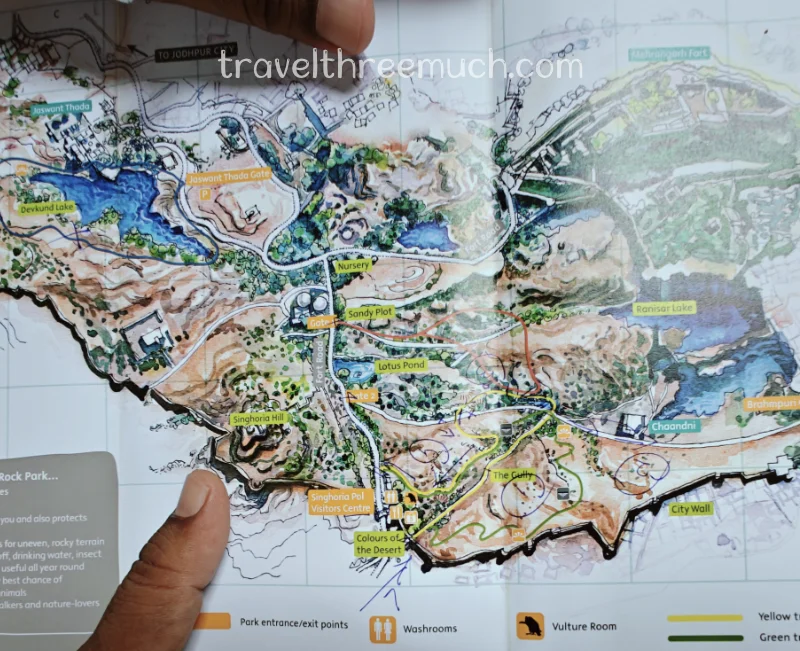
    Harsh Rao, or Rabbit Uncle, as the kids call him, greeted us at the entrance. He’s the resident naturalist and guide at the Rao Jodha Desert Rock Park. Since we hadn’t booked any guided tours, he gave us directions to explore the park on our own. He took one of the park maps and, seeing we had a kid in tow, marked out the best trails for us. His knowledge of the park and his passion were evident in the hints about the flora and fauna to look out for when on the trails.

    The Vision and the Vultures

    The Mehrangarh Museum Trust started the Rao Jodha Desert Rock Park in 2006 as an ecological restoration project. The park lies at the foot of the majestic Mehrangarh Fort. It features a visitor and interpretation centre, multiple viewpoints, two lakes, and a nursery. These are all set on four walking trails. The park opened to the public in 2011.

    The visitor centre had an interpretation centre. There were publications on the park’s geology, flora, and fauna. Swallows and vultures featured prominently on them. There was a ‘vulture room’ which highlighted the importance of this bird in preventing the spread of deadly diseases. At the same time, the exhibit also highlighted how this delicate balance is being upset by the indiscriminate use of pesticides and habitat destruction.

    Volcanic Formations and Flora

    The park’s geological features and volcanic formations offer a unique geotourism experience for visitors. Rhyolite, welded tuff, and rippled sandstone are some of the park’s distinctive volcanic formations and rocks. These indicate a volcanic past where the fort and the park stand today.

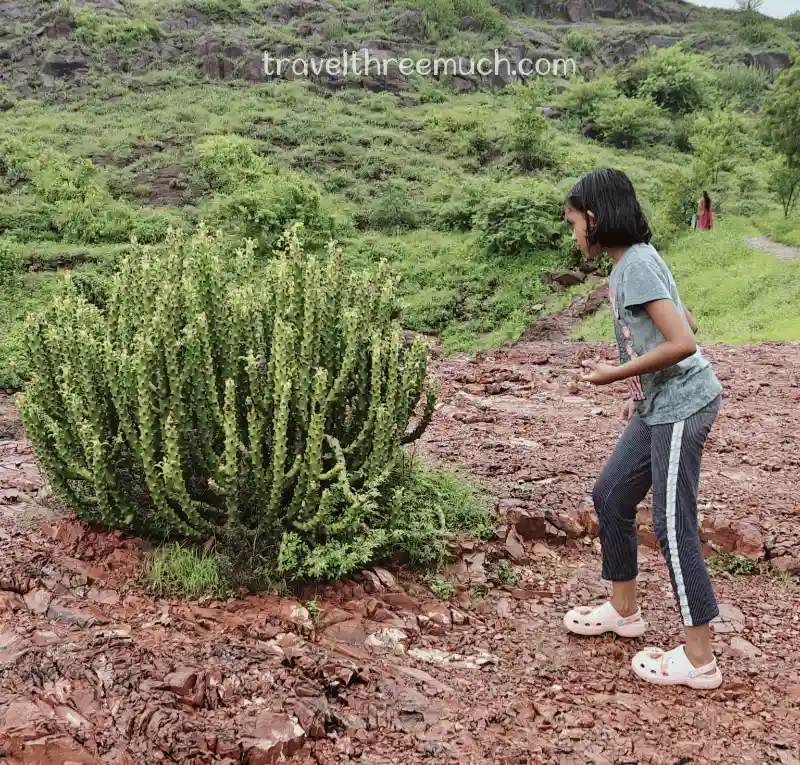
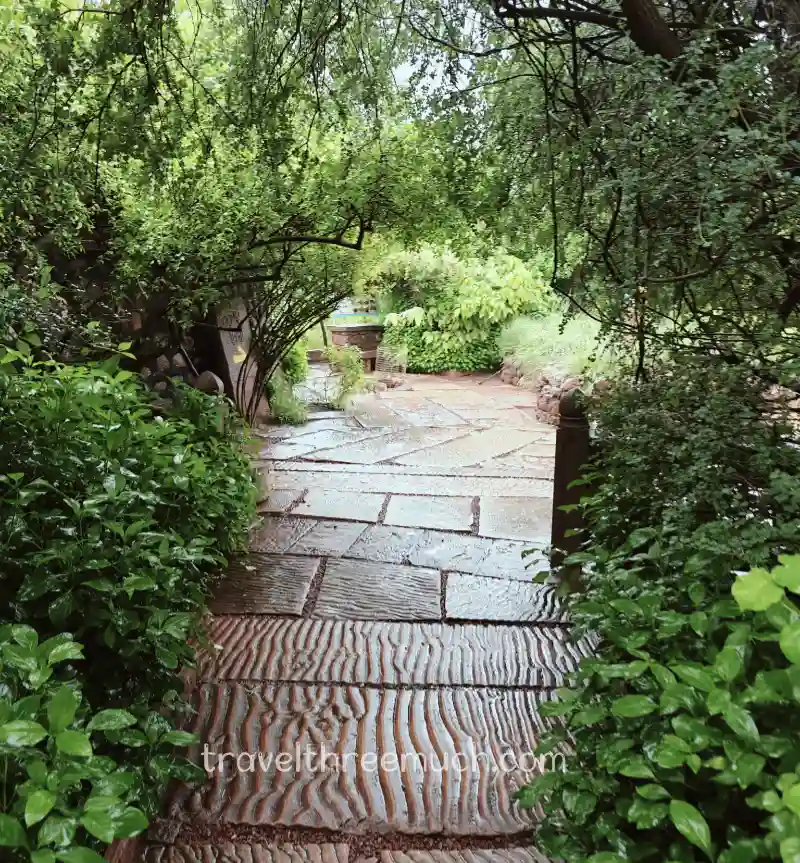
    One of the visually striking flora is the ‘thor’ or ‘danda thor’ (Euphorbia caducifolia). The cactus-like succulent also features on the desert park’s logo. The entry to the trails was paved with sandstone tiles with lovely, naturally formed, wavy patterns.

    Navigating the Trails at Rao Jodha park

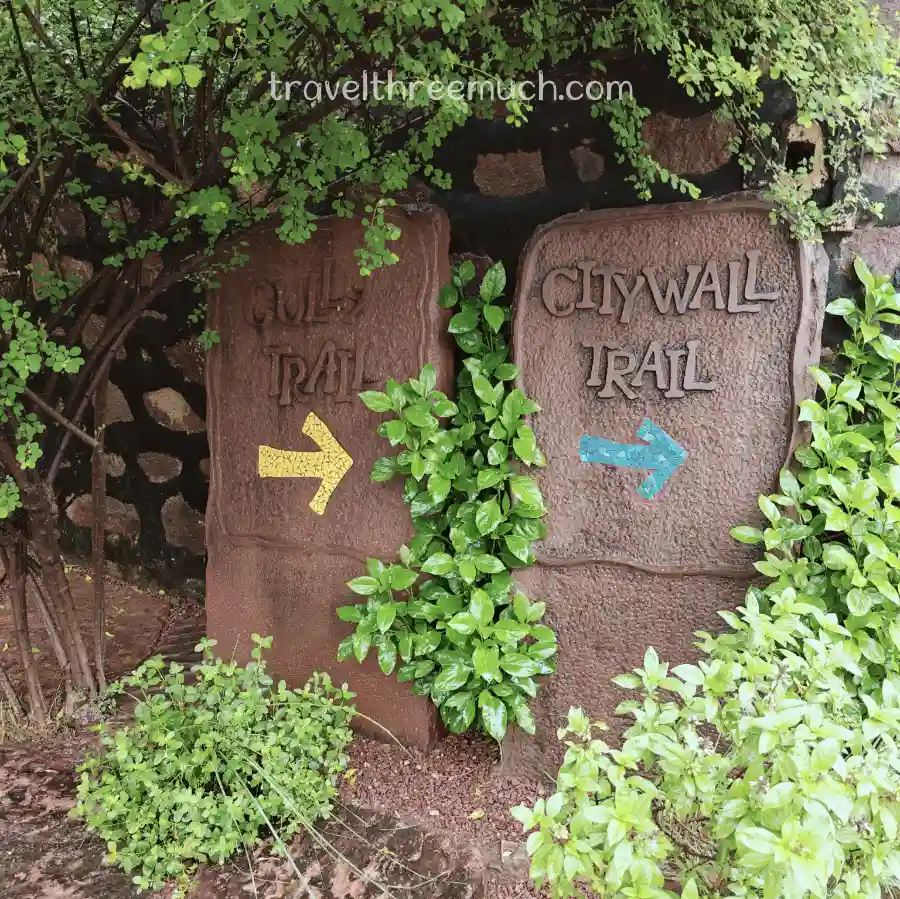
    There are four trails named after colours: yellow, green, red and blue. There are two different kinds of trail markers. One type of marker shows arrows made of coloured ceramic mosaic. The arrow indicates the trail direction. Another marker has numbers, corresponding to the points of interest on the park map. Trained naturalists guide visitors on walks around the park to appreciate the desert’s ecology, its diverse flora, and fauna.

    Harsh recommended that we walk a mix of three trails—the yellow, red, and green. He marked the trail branches on the map and the key points of interest.

    The Yellow Trail

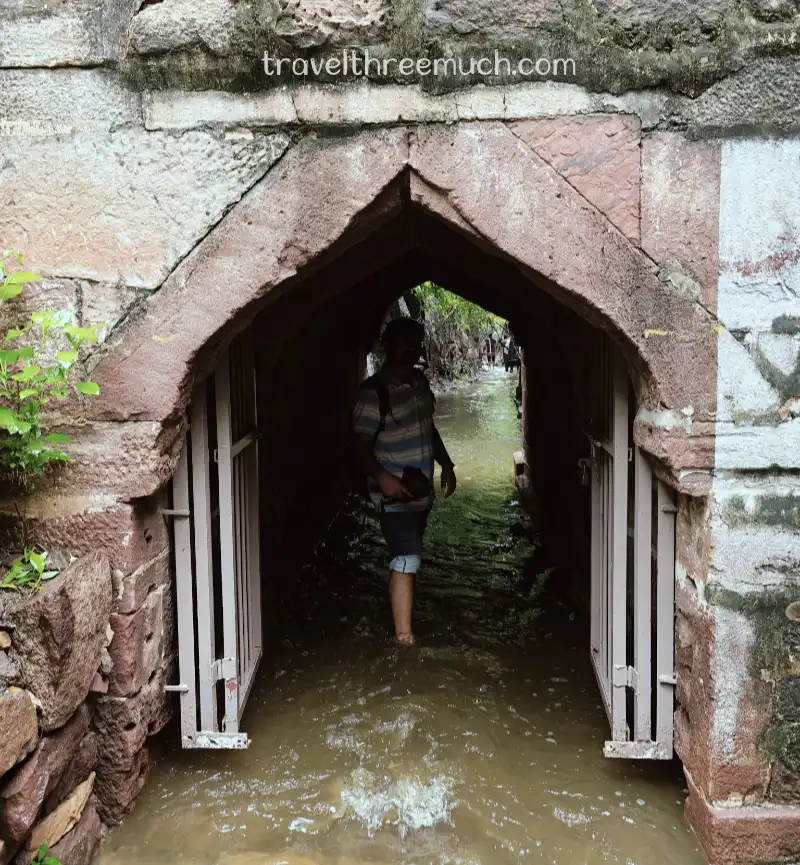
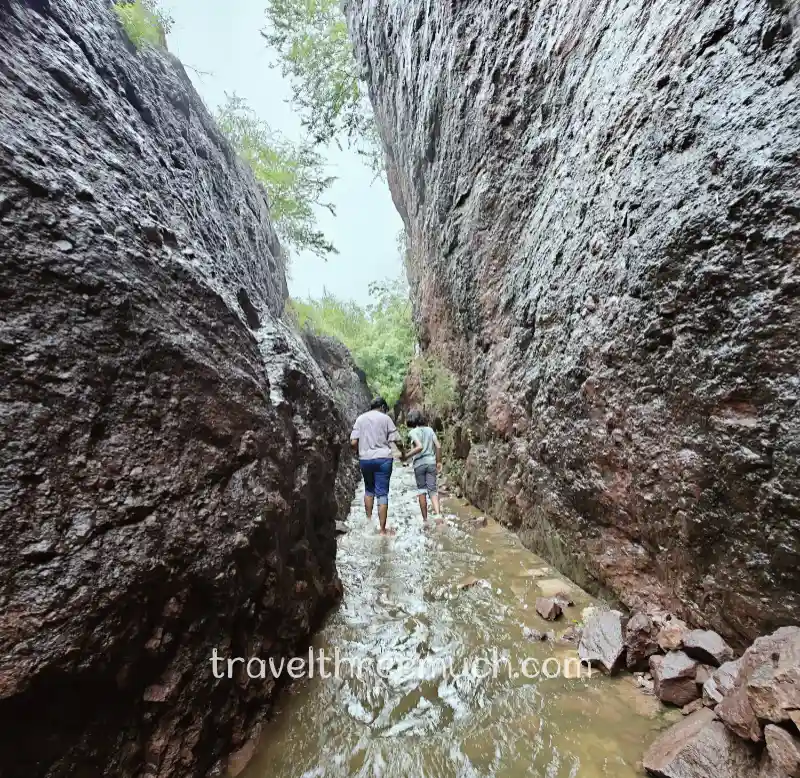
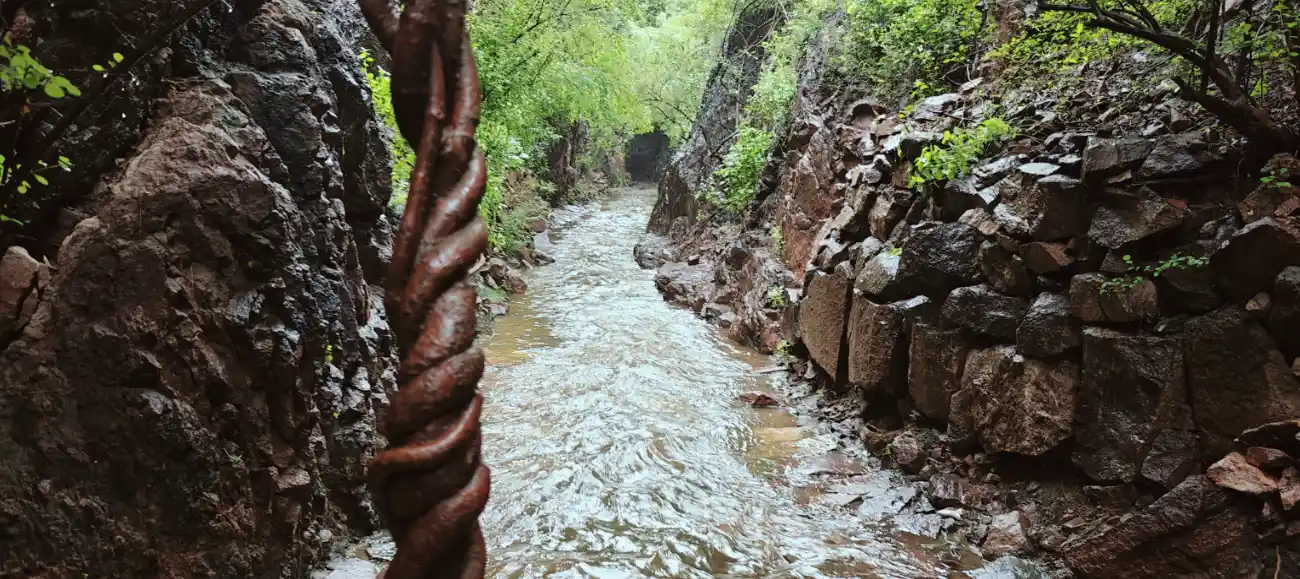
    This is the shortest of the trails. The highlight of this trail is ‘The Gully’.

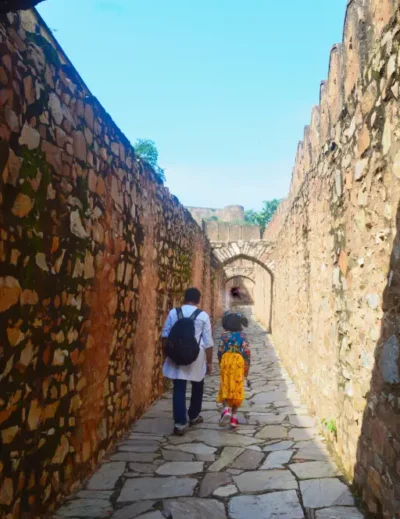
    This channel diverts rainwater from the park’s northern area to the Padamsar Lake. The distant sounds of gushing water were still audible over the falling rain as we walked closer. A set of stairs led down to the channel. It was an incredible experience walking along the channel, with the water flowing around our feet.

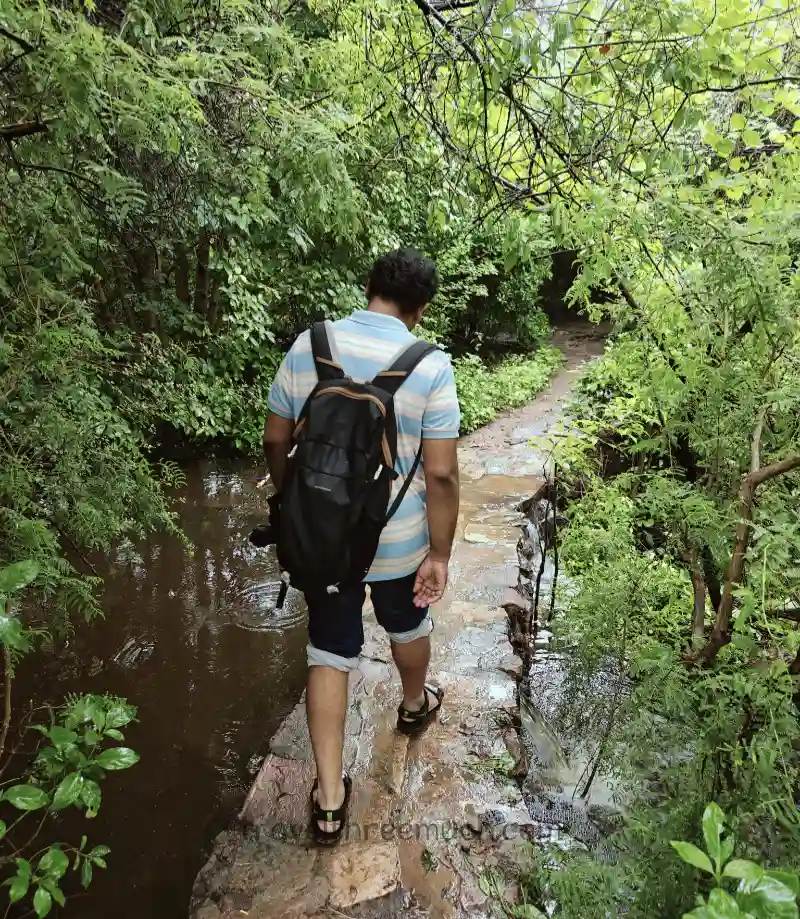
    After a while, the trail started rising out of the water and levelling off. Small stretches of sandstone trails with streams on either side led to a clearing with danda thor plants.

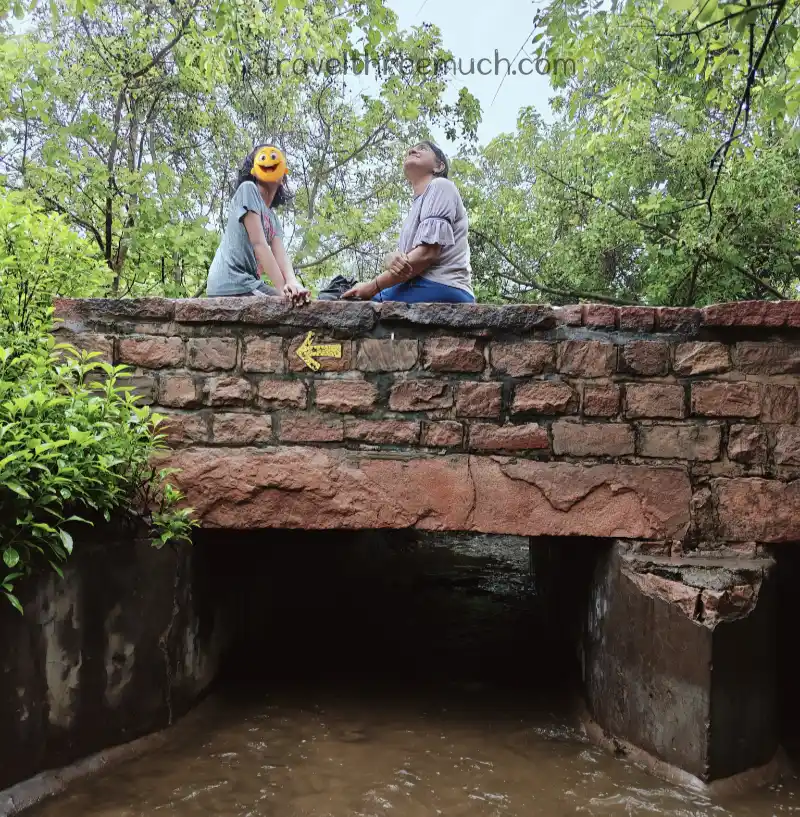
    Boardwalks bridged the places where the stream cut across the trail. The enjoyable variations of the paths, while ensuring the trails remain beginner-friendly, pointed to the thoughtfulness that has gone into the layout. There was a scenic spot on the trail where the stream passed underneath a bridge. We sat here for a while, watching the water meander to the lake.

    The Green Trail

    This trail is slightly longer than the yellow trail. We could see the City Wall in the distance as we walked on the trail. The start of the green trail is near the exit of the Flying Fox zip line. This zip line starts at the Fort and descends to the park level.

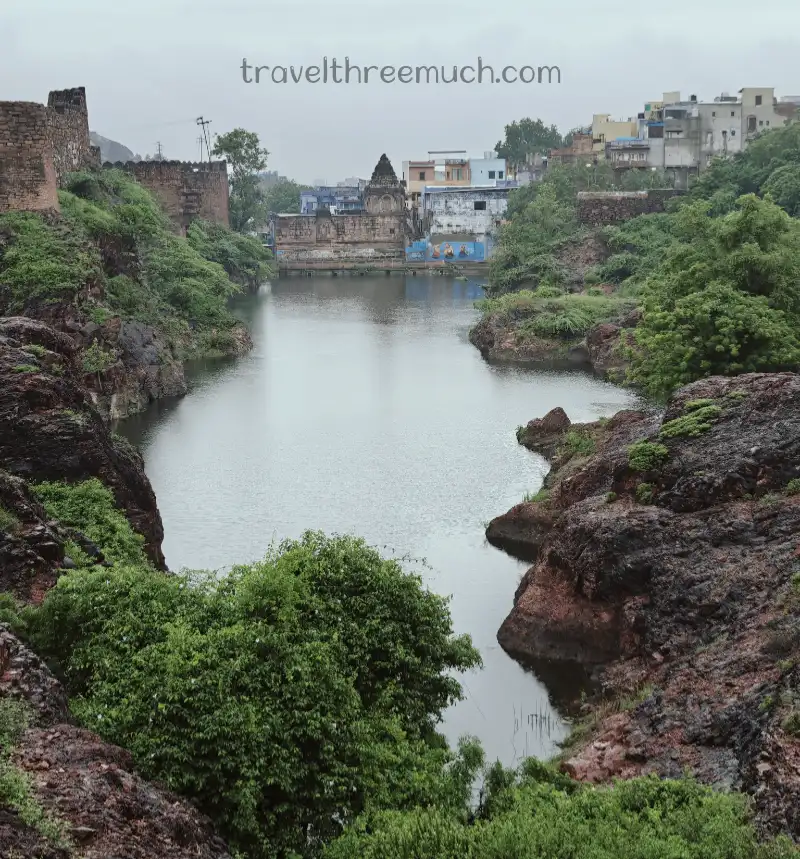
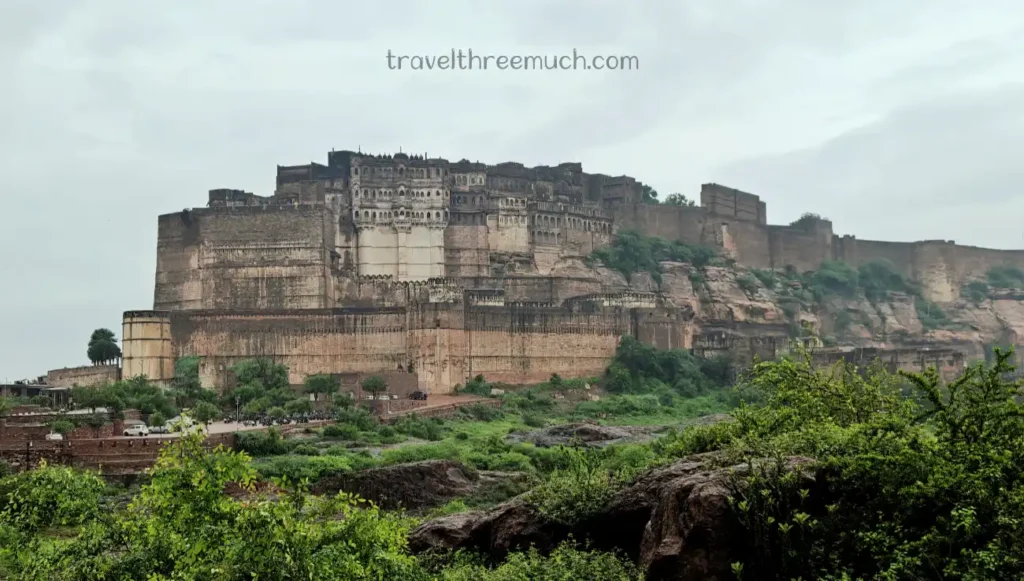
    We saw the Ranisar Lake from the rhyolite cliffs. The rock formations at the base of the Mehrangarh Fort, peeking through the lush green cover, looked stunning.

    The Red Trail

    We came to a fork where the yellow trail seemed to go back towards the visitor centre, and the red trail seemed to go away in a different direction. The rains had stopped, and so we decided to explore more of the park. We followed the red trail and came across more interesting rock formations.

    Lush green carpeted many of the park’s rocks, except when the danda thor seemed to make for the sky with its outstretched stems. We saw a Lotus Pond in the distance. After scrambling over some rocks, we found ourselves in a sandy stretch. At the end of the stretch, we found ourselves at an iron gate (painted Firoza). We let ourselves out of the park and made it back to the visitor’s centre walking on the tarred road.

    The Blue Trail

    There is also a Blue trail that we didn’t explore as we were out of time. This trail is a circuit around Devkund Lake in front of Jaswant Thada. This trail is accessible through the Jaswant Thada gate. It is the recommended trail for birding walks that begin at 7 AM or earlier, depending on the season.

    The visit to the desert rock park was a very unique experience for us. We enjoyed the visitor centre and the geological, floral and faunal interpretations it offered. The Rao Jodha Desert Rock Park is a must-see when visiting Jodhpur.

    Getting There

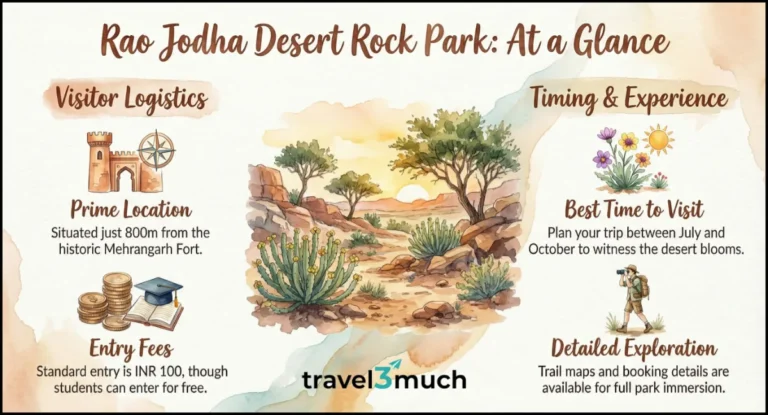
    The park is located 800 m from Mehrangarh Fort’s parking near the main entrance. You can reach the park by cab or auto from Jodhpur town. Visitors can contact the park 1 day in advance at +91 95712 71000 to book guided walks or to arrange entry through Jaswant Thada.

    Itinerary Tip: The park needs half a day to leisurely visit and take in all the sights. You can plan a one-day itinerary with the Mehrangarh Fort and the park.

    planplanettmPlan Your Trip

    Timings: The park’s flora is in full bloom from late July to October. July and August see monsoon showers. The park’s opening and closing times change with the season.

    • March to September: 6:30 AM to 7:00 PM
    • October to February: 7:30 AM to 6:00 PM

    Entry Fees & Booking

    • Students (Grades 1-2): Free with valid student ID
    • Adults: INR 100 per person
    • Naturalist Guide: INR 200 per group

    Online Tickets: Book Here

    Visitor Guides: Download Here

    The Story of the Centre: Read More about the park
    rao jodha park ttm
    View of Mehrangarh Fort from Rao Jodha Park trail

    Essentials Tips for Visitors

    • Footwear: Wear comfortable walking shoes with a good grip. Some of the trails may require you to trek through sandy or rocky terrain.
    • Endurance: The trail lengths range from just short of a kilometre to about 1.5 kilometres. So, be prepared to walk a lot.
    • Preservation: Do not bring any seeds or plant anything in the park. The creation of the park required meticulously clearing a globally invasive mesquite tree. After this laborious removal, only native desert flora has been carefully replanted. The success is evident in the area’s restored ecology.
    • Sun Protection: A hat and sunblock are highly recommended for summer visits. They’ll help to keep you shaded from the hot desert sun in the park.
    • Hydration: Carry enough drinking water with you to stay hydrated throughout the trek. Other than the cafe, toilets and shop at the visitors centre near the entrance, there are no amenities once you hit the trails.
    • Gear: Bring binoculars for spotting birds and reptiles, especially for an early morning trek.
    • Additional note for family travellers – The yellow trail is a very easy and comfortable trail. Kids can do it comfortably and will have fun. 

    What Other Travelers Ask

    Absolutely. To us, the Fort was more about royal history and architecture, while the Park is what actually gave us a peek into the soul of the desert. The panoramic views, the rocks and even the view of the fort from the park, all make it worthwhile. 

    While totally unplanned, we went to the park in the month of August. Since this was monsoon season in Rajasthan, we got to walk along the water/river inside the park and that was the best part. I can’t stress that enough.

    The terrain is rocky – but the path is well made, not dangerous and easy to do. However, you can’t do this with a stroller. 

    The park is a geological wonder. It is built on 745-million-year-old volcanic rhyolite (part of the Malani Igneous Suite). You aren’t just walking on dirt; you are walking on some of the oldest volcanic formations in India.

    Prasanna is the Primary Writer and Technical Expert behind the posts. He is responsible for the detailed facts, historical context, and logistical breakdowns. He has a deep love for mountains, history, nature, and is the family's expert packer.
    Comments

    • This is such a great post and highlights other side of Jodhpur. Honestly it is in these parks that resides the true soul of a place and when it is visited by kids I am sure they must be taking so much in than just the regular checklist. I honestly feel we give so less importance to the guides these days but everytime I have taken them they have so many stories to tell. Rabbit uncle likewise helped in trail selection which otherwise would have been perhaps slightly confusing.

      • Thanks so much Ankita! You are absolutely correct about the importance of guides as well. Because of many misinformed guides, these days we are reluctant to take their inputs. But folks like Rabbit uncle give hope 🙂

    Leave a Reply

    Your email address will not be published. Required fields are marked *